Can I Buy a Vancouver Home With Halal Financing?
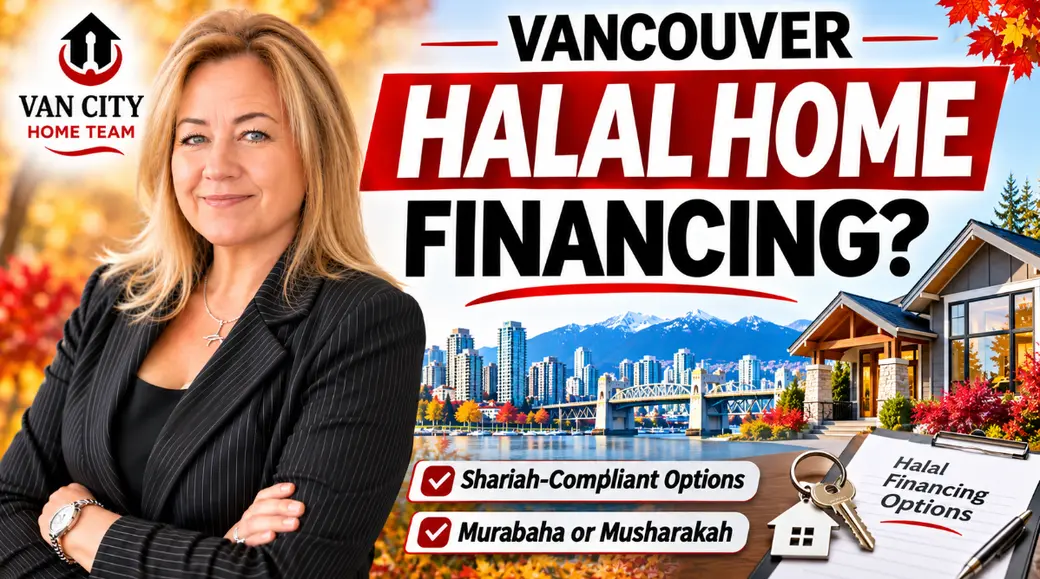
Can I Buy a Vancouver Home With Halal Financing?
Qualifying buyers may be able to purchase a Vancouver-area home using Sharia-compliant financing. The important step is understanding how the ownership structure, the complete cost, and your protections differ from a conventional mortgage.
Halal financing doesn't mean the provider works for free. Instead of charging interest on a loan, the arrangement may use a disclosed profit, rent, or changing ownership shares.
How Do Murabaha, Ijara, and Musharaka Differ?
- Murabaha is a cost-plus arrangement. The financier buys the home and resells it to you at a disclosed markup, which you pay in instalments.
- Ijara is a rent-to-own arrangement. The financier buys the home and leases it to you, and ownership passes gradually through payments that combine rent, principal, and the provider's profit. Full title transfers at the end of the term.
- Musharaka is a declining-balance partnership. You and the financier share ownership, and your payments combine rent on the financier's share with purchases of equity until you own the whole property.
The exact contract matters. Products with similar names may not create identical obligations.
What Should a Vancouver Buyer Compare?
Ask who will appear on title, when ownership transfers, and who is responsible for property taxes, insurance, strata expenses, and repairs.
Then compare:
- The required down payment
- The complete monthly payment
- Appraisal, legal, and administrative fees
- The total amount payable over the full term
- What happens if you sell, refinance, make extra payments, or need to exit early
Also confirm whether the structure affects B.C. property transfer tax, first-time-buyer benefits, or any other program you expect to use. These answers depend on the property and the contract, so get legal or tax advice before you commit.
How Do I Confirm the Financing Is Appropriate?
Ask which qualified Sharia supervisory body reviewed the product, and whether that review applies to the current contract and not just the provider's general marketing.
Then get independent legal advice. The provider explains its product. Your lawyer or conveyancer should explain title, enforcement, default, and exit provisions from your side of the table.
The Bottom Line
Halal financing can create a real path to ownership. The decision should still pass four tests: religious confidence, legal clarity, financial affordability, and a workable exit.
If you're considering a move, buying, selling, or want help figuring out your next step, reach out to me. I'd be happy to help or connect you with the right person.
Frequently Asked Questions
Is halal financing an interest-free conventional mortgage? No. It generally uses a sale, lease, or partnership structure instead of a conventional interest-bearing loan.
Do I still need to qualify? Yes. Providers assess income, credit, debts, down payment, the property, and documentation.
Does the Canadian government provide halal mortgages? No. Individual providers offer these products. In Budget 2024 the federal government said it would explore ways to expand access to alternative financing products and began consultations that year.
Should I get independent legal advice? Yes. Title, tax, default, and exit provisions depend on the agreement.
Categories
Recent Posts



GET MORE INFORMATION